Tips for Accurate Blood Pressure
Tips for Accurate Blood Pressure Measurement
Accurate blood pressure measurement is essential for diagnosing and managing hypertension, heart disease, and other cardiovascular conditions. In Pakistan, where high blood pressure is increasingly common, understanding the correct way to measure blood pressure can help prevent serious health complications.
Even the best blood pressure monitor can give incorrect readings if not used properly. Following the right techniques ensures reliable and consistent results.
Why Accurate Blood Pressure Measurement Matters
Incorrect blood pressure readings can lead to:
- Misdiagnosis of hypertension
- Unnecessary medication
- Delayed treatment
- Increased risk of heart attack or stroke
That’s why healthcare professionals emphasize correct measurement techniques—especially for home monitoring.
Use a Clinically Validated Blood Pressure Monitor
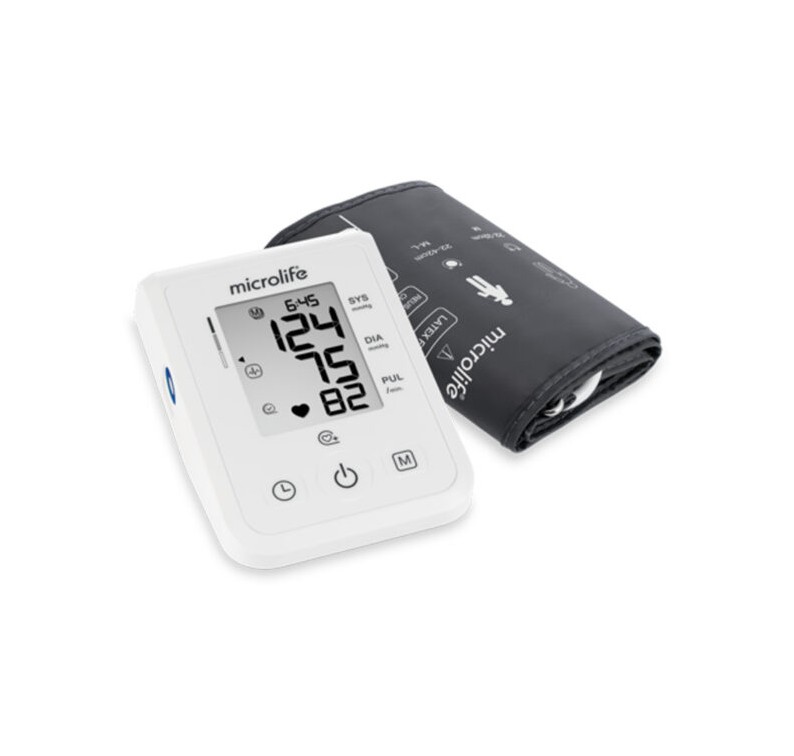
Always use a certified digital blood pressure monitor that is clinically tested and approved. Reliable devices ensure consistent accuracy for both home users and medical professionals.
Avoid low-quality or unverified devices, as they may produce misleading results.
Choose the Correct Cuff Size
Using the wrong cuff size is one of the most common causes of inaccurate readings.
- The cuff should fit snugly around the upper arm
- A cuff that is too small may show higher readings
- A cuff that is too large may show lower readings
Ensure the cuff size matches your arm circumference.
Sit in the Correct Position
Proper posture plays a crucial role in accurate blood pressure measurement.
Follow these steps:
- Sit comfortably with your back supported
- Keep your feet flat on the floor
- Do not cross your legs
- Rest your arm on a table at heart level
Relax for at least 5 minutes before taking a reading.
Measure at the Right Time
Blood pressure fluctuates throughout the day. For best results:
- Measure at the same time daily
- Avoid measurement immediately after waking up
- Avoid measuring right after exercise or stress
Consistency helps track real trends rather than temporary changes.
Avoid Food, Caffeine & Smoking Before Measurement
Certain activities can temporarily raise blood pressure. Avoid the following at least 30 minutes before measurement:
- Tea or coffee
- Smoking
- Heavy meals
- Physical activity
This helps ensure stable and accurate readings.
Take Multiple Readings
Instead of relying on a single reading:
- Take two to three readings
- Wait 1–2 minutes between measurements
- Record the average result
This method provides a more accurate picture of your blood pressure.
Monitor Blood Pressure Regularly
For individuals with hypertension, diabetes, or heart conditions, regular monitoring is essential. Keeping a log of readings helps doctors:
- Evaluate treatment effectiveness
- Adjust medication if needed
- Detect health risks early
Common Mistakes to Avoid
Avoid these common errors:
- Talking during measurement
- Measuring over clothing
- Sitting incorrectly
- Using faulty or uncalibrated devices
Small mistakes can significantly affect results.
Home Monitoring for Better Heart Health
Home blood pressure monitoring empowers patients to take control of their health. When done correctly, it supports early diagnosis, better treatment decisions, and improved heart health.
Using proper techniques and reliable devices ensures accurate readings and peace of mind.